GARUN Process Engineering
Process design · fabrication · commissioning · since 1992

We build the plant
twice. The first time
on paper.

GARUN designs water-treatment chemical plants — mass balance, PFD, P&ID, general arrangement, foundation loads, equipment datasheets — and then fabricates, erects and commissions exactly what the drawings say. One engineering team from the first survey to the as-built set.

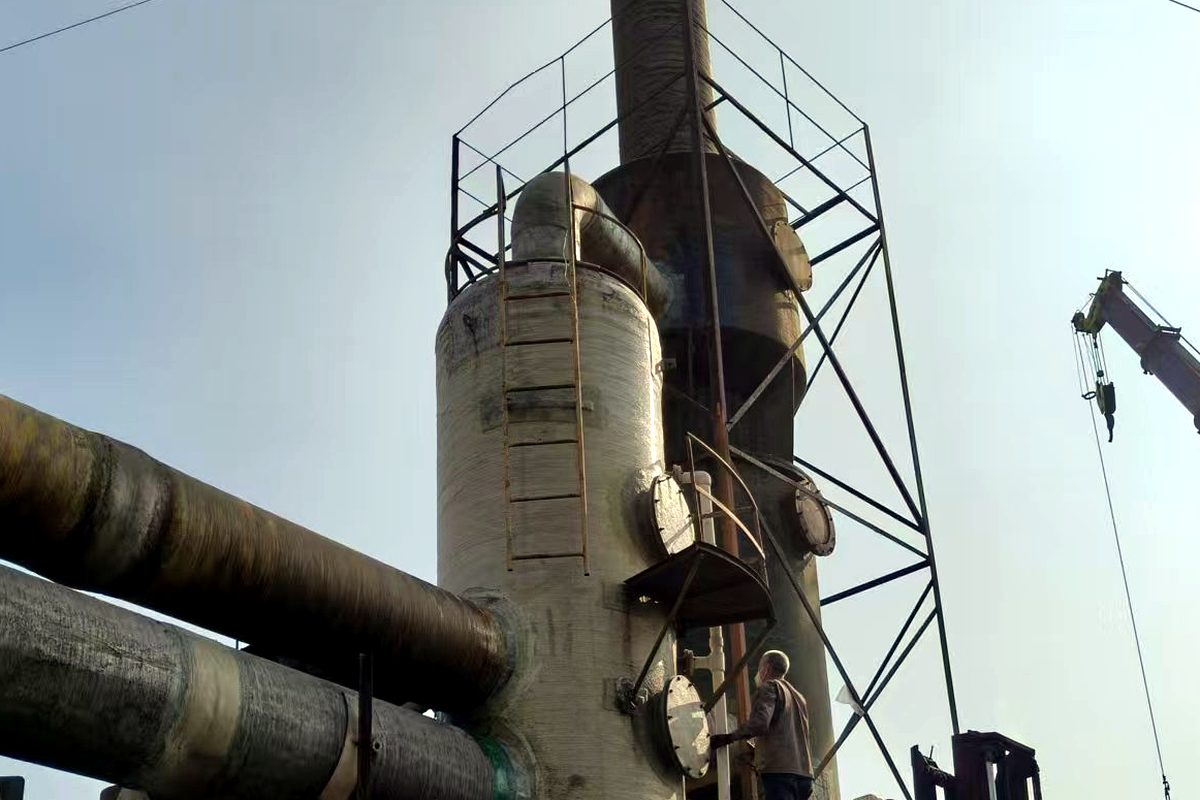
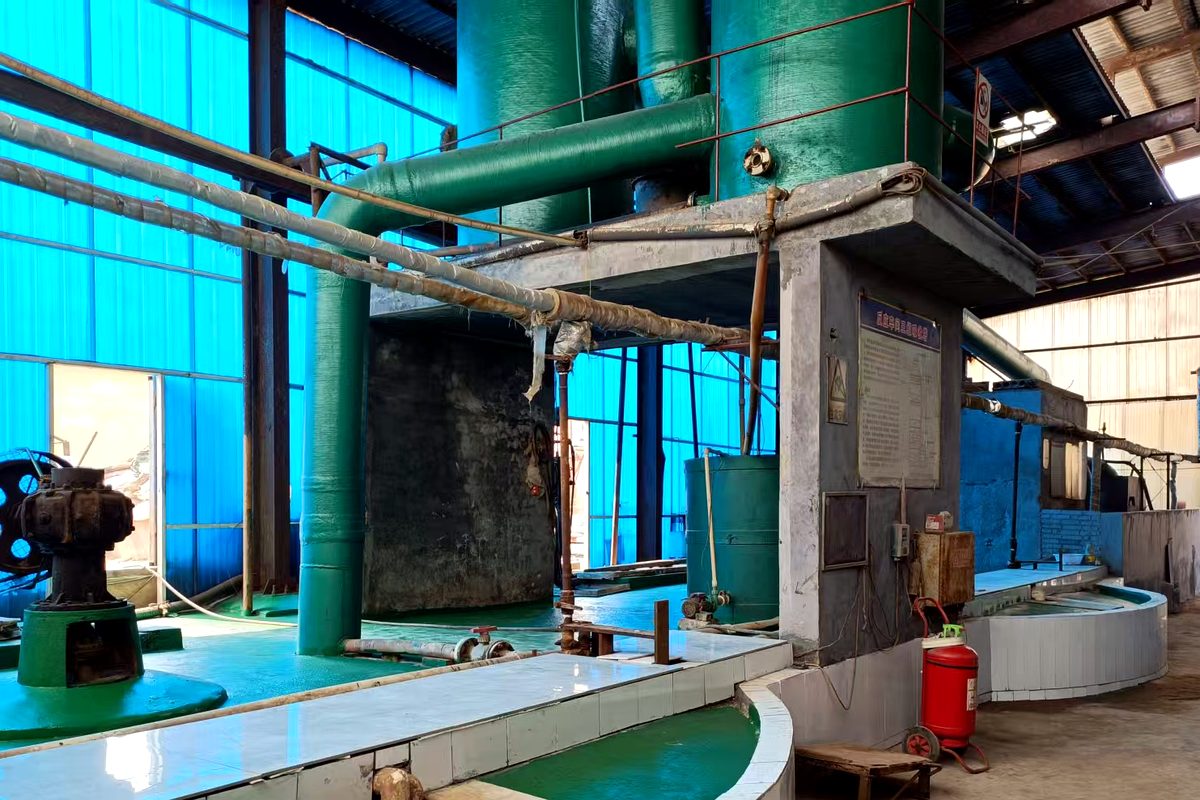
In operation · Zhengzhou Three-stage hydrogen chloride absorption tower at the GARUN plant, Zhengzhou
EQ-08 / Gas scrubbing
Three-stage HCl absorber
FRP shell · 10,000 m³/h · outlet ≤ 10 mg/m³
1992Designing plants since
200+Drawings per line, typical
4Design stages, concept to as-built
8,000 m²Fabrication floor
One contract, three stages

Design. Build. Deliver.
Same team throughout.

Most buyers meet us at the drawing stage. Some want one vessel, some a whole plant. The engineering thread is the same either way.

01 — DESIGN

Process & detailed design

The design basis, the mass and heat balance, the P&ID, the general arrangement and every drawing the site will build from. This is the part of the job that decides whether the plant runs.

  • Concept study and capacity model
  • Basic and detailed engineering
  • Issued-for-construction drawing set
See the design process →
02 — BUILD

Fabrication to drawing

Vessels, drums, towers, ducting and frames built in our own workshop, trial-assembled, inspected against the drawing and packed for sea freight. What leaves here matches what you approved.

  • Material traceability and weld records
  • Trial assembly before shipment
  • Third-party inspection on request
The 12 equipment groups →
03 — DELIVER

Erection & handover

Civil interface, erection supervision, piping, electrical, trial run, operator training and the as-built set. One schedule and one responsible party until the first pallet is wrapped.

  • Site supervision and commissioning
  • Performance test at handover
  • As-built drawings and O&M manual
How handover works →
The production line

Six stages.
One continuous flow.

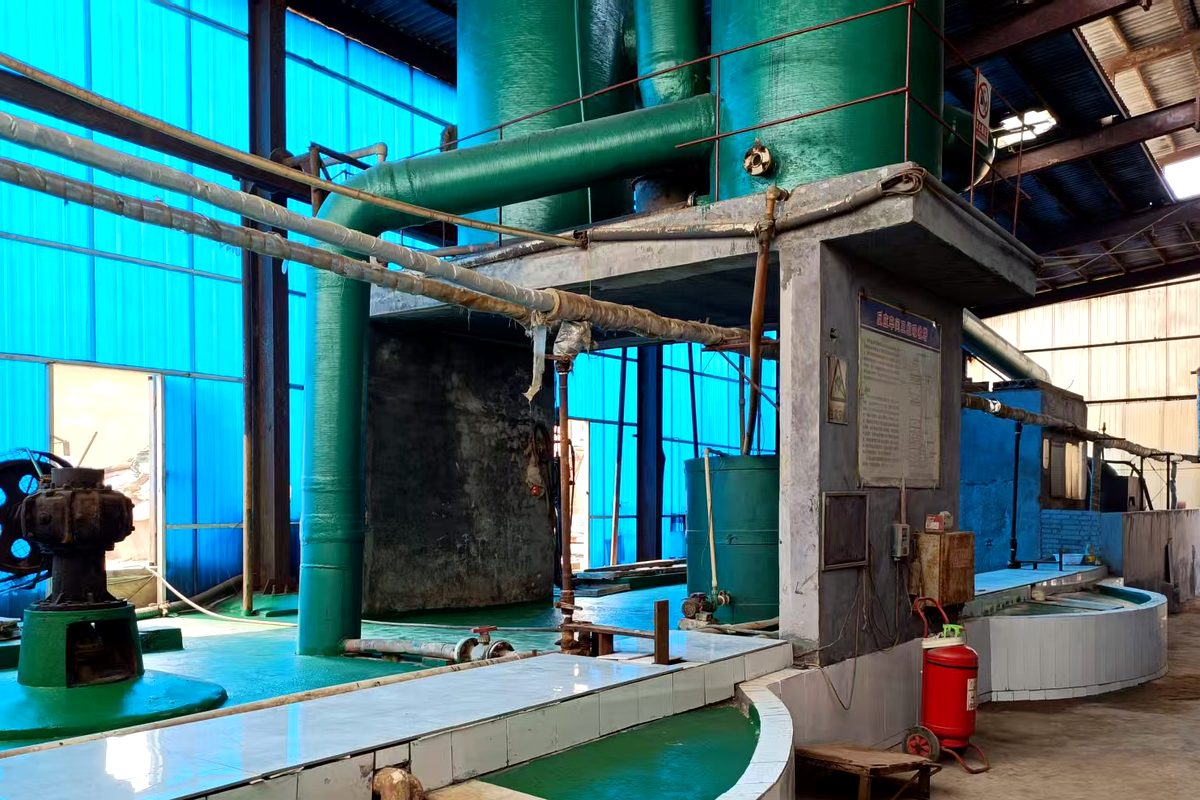
01Lined reaction vessels with top-mounted agitator drives

Reaction & dissolution

HCl + aluminium hydroxide, 95–105 °C, 2–40 m³ batches.

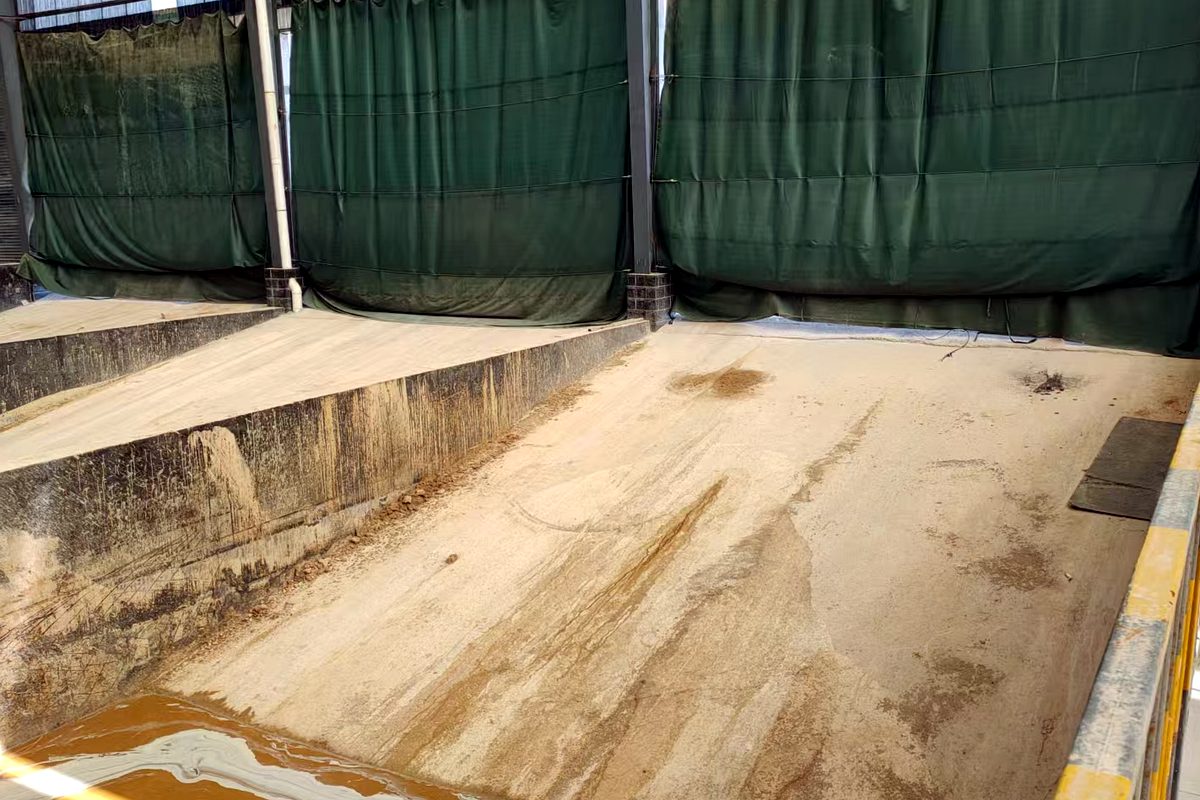
02Runway settling basins for liquid coagulant

Settling

Long runway basins, 8–12 h retention, insoluble matter to sludge.

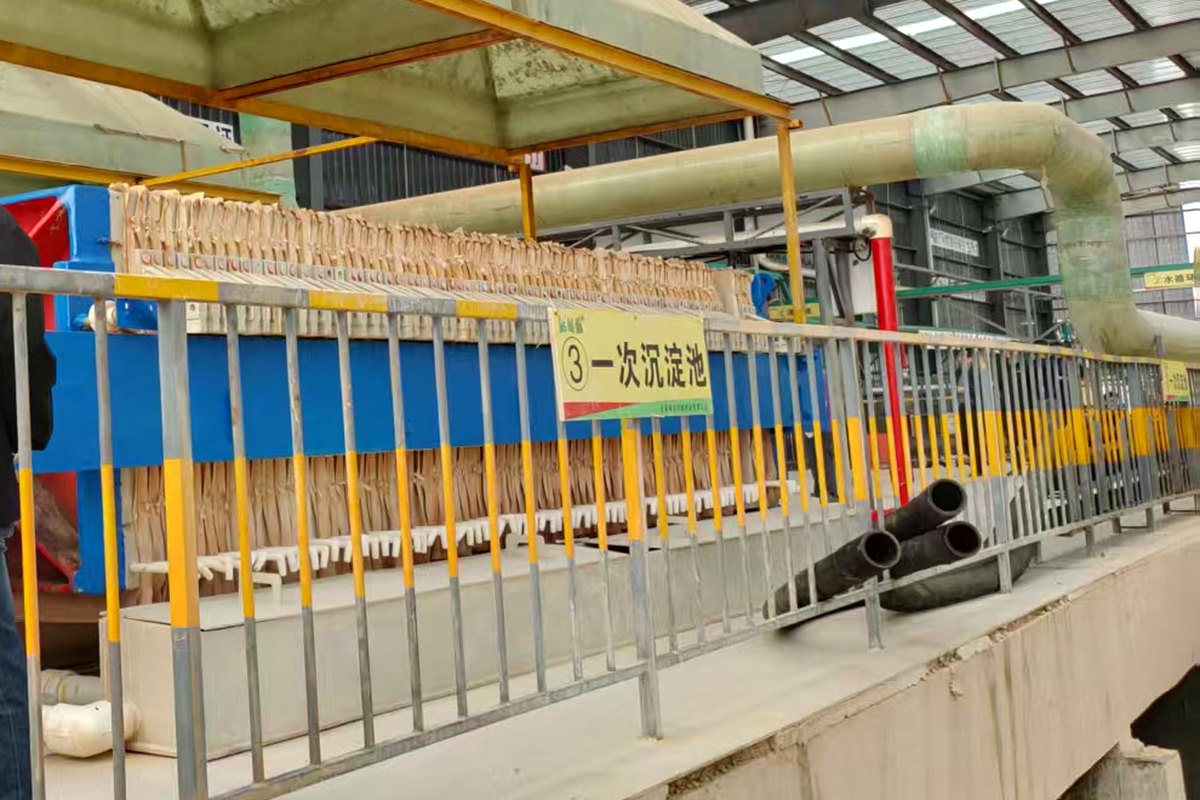
03Plate and frame filter press dewatering settling sludge

Dewatering

Plate-and-frame presses, cake at 30–35% solids.

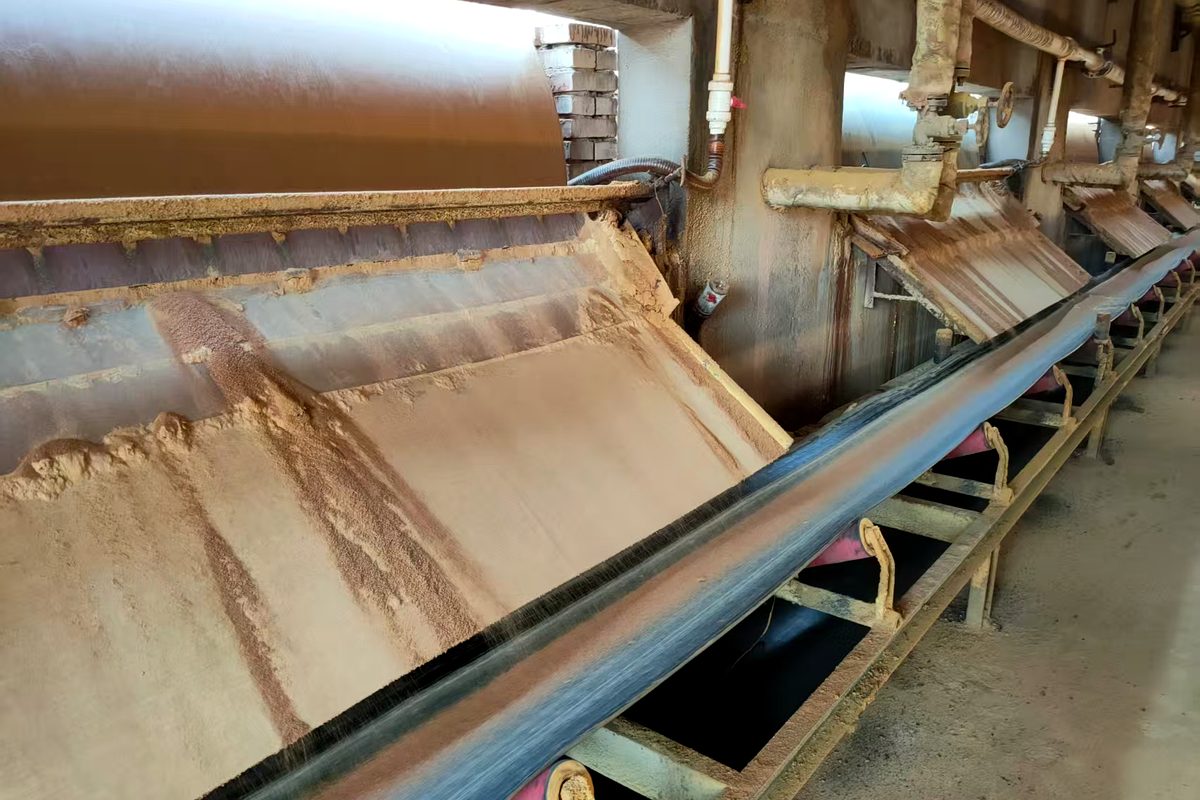
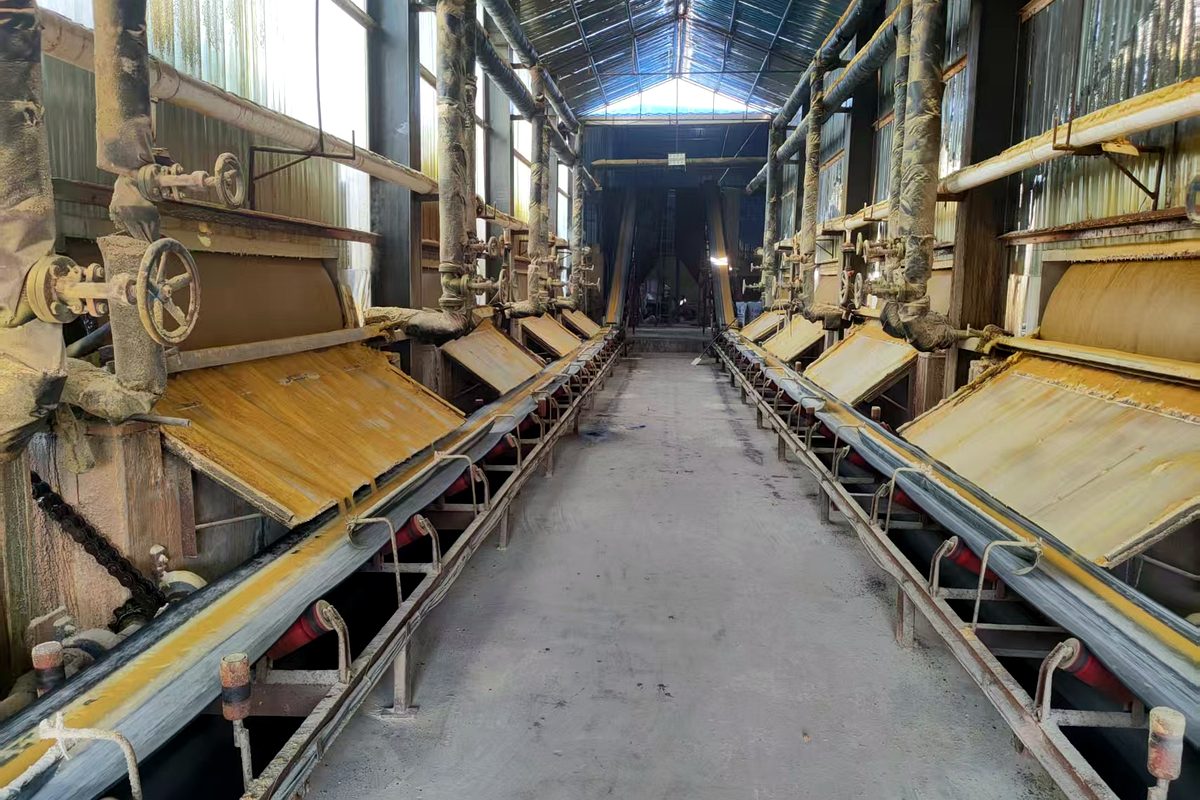
04Drum flaker dryer with discharge conveyor

Drying

Steam-heated drum flaker, flake 2–4 mm, no dust cloud.

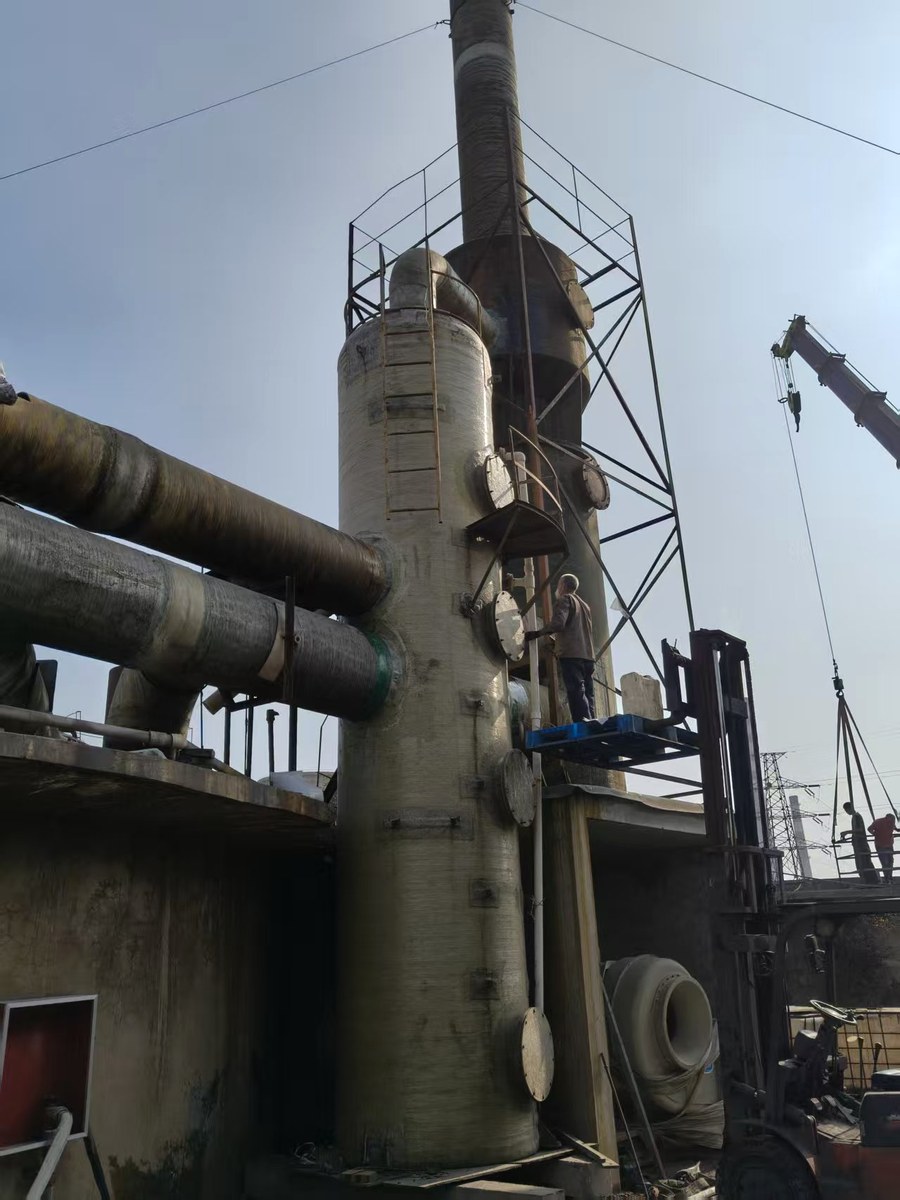
05Three-stage FRP absorption tower for hydrogen chloride

Gas scrubbing

Three-stage absorption, outlet HCl ≤ 10 mg/m³.

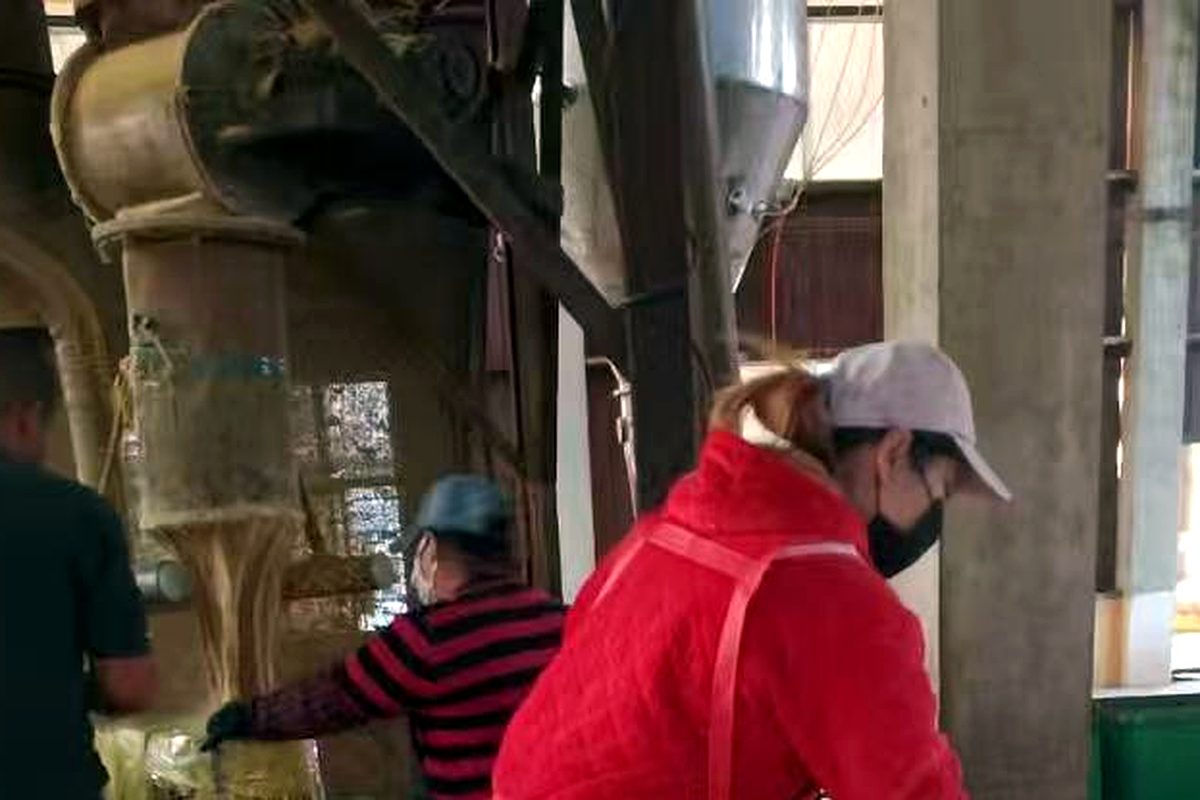
06Product silo discharging into 25 kg bags

Bagging

Net-weigh filling, 25 kg bags or 1 t jumbo, palletised.

Typical operating windows. Final figures are fixed by the design basis of your project — feed assay, capacity and site utilities.

Drying workshop aisle with enclosed conveyors on both sides at the GARUN plant
Inside the works

8,000 m² under one roof,
forty minutes from the airport.

Vessels, dryer drums, towers and ducting are all built and trial-assembled here before they are packed. Come and watch a line run — we will collect you.

Plant configurations

Four lines we build
most often.

Capacity is stated as finished product per year on a two-shift basis. Every configuration is re-rated to your local raw material.

CFG-01 · LIQUID5,000–60,000 t/y

Liquid coagulant line

Reaction, settling and storage — no drying step. The lowest capital cost per tonne, and the right answer when your customers are within trucking distance.

IncludesReaction · settling · liquid storage · tanker loading
CFG-02 · SOLID10,000–30,000 t/y

Solid PAC line

Adds filtration, drum drying, scrubbing and bagging to the liquid stage. Product ships dry, so freight per tonne of active ingredient drops sharply.

IncludesReaction · settling · filtration · drum drying · scrubbing · bagging
CFG-03 · COMBINED20,000–60,000 t/y

Liquid + solid, one train

One reaction train, two product outlets. You sell liquid locally and dry the rest for export — and shift the split as the market moves.

IncludesAll six stages, with a split header between liquid and dry output
CFG-04 · RETROFIT+30–100% output

Capacity upgrade

We re-rate vessels, add scrubbing and automation, and rebuild the bagging line — usually without stopping production for more than a week.

Typical scopeRe-rating · added scrubbing · automated bagging · controls retrofit
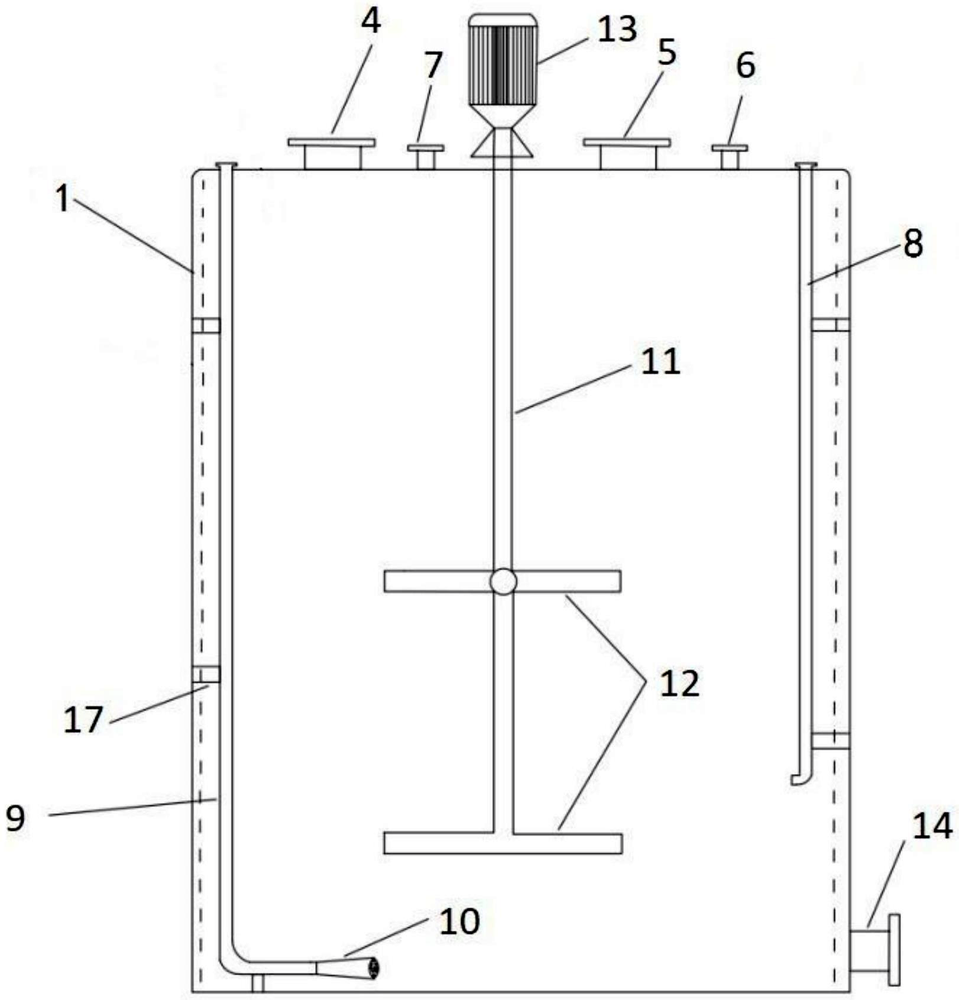
Reaction vessel general arrangement drawing with nozzle orientation and dimensions
GA drawing · reaction vessel · nozzle schedule
The drawing set

Steel is easy
to copy. A line
that runs is not.

Any fabricator can copy a vessel. What cannot be copied is the calculation behind it — why that diameter, that jacket area, that tower height, that incline. Every project starts with a design basis and ends with a drawing set your contractor can build from without a phone call.

  • 01Design basis, mass and heat balance, reaction yield, utility consumption
  • 02PFD and P&ID with line numbering, instrument tags and control philosophy
  • 03General arrangement, elevation, nozzle and platform schedules
  • 04Foundation loads, anchor bolt and embedded plate layouts
  • 05Equipment datasheets, material selection, lining and insulation specification
  • 06Electrical load list, single-line diagram, cable and earthing schedule
  • 07Erection sequence, commissioning procedure, O&M manual, spare parts list
See how we design →
STAGE 01

Concept & feasibility

Week 1–2

Capacity model, process route selection, plot plan and an order-of-magnitude budget. Enough to decide whether to proceed.

  • Design basis
  • Block flow diagram
  • Capacity & cost model
STAGE 02

Basic engineering

Week 3–6

The process is fixed here: mass and heat balance, PFD, equipment list and the datasheets that go out for quotation.

  • PFD & heat balance
  • Equipment list
  • Datasheets
STAGE 03

Detailed engineering

Week 6–14

Every drawing the site will build from: P&ID, GA, foundations, piping, electrical, plus a 3D model clash-checked before release.

  • P&ID & GA
  • Foundation & steel
  • Electrical & control
STAGE 04

As-built & handover

At commissioning

Drawings revised to what was actually installed, with the test records, O&M manual and spare parts list bound into one handover set.

  • As-built set
  • Test records
  • O&M manual
Export & compliance

Paperwork is part
of the delivery.

Equipment leaves the workshop with its test records. Product lines leave with the method statements that let a local authority sign them off.

01 / STANDARDS

Built to a stated standard

Pressure parts to GB/T 150 and ASME-equivalent practice; product quality to GB/T 22627-2022 and GB 15892-2020. Third-party inspection by SGS or CCIC can be arranged before shipment.

02 / DOCUMENTATION

Documents in English

Certificate of analysis, MSDS, packing list, certificate of origin and the full inspection dossier. Test reports are issued per equipment tag, not per shipment.

03 / PACKING

Packed for the sea

Frame-packed vessels, sealed flanges, desiccant in electrical enclosures, and a loading plan that fits the container you actually booked. 25 kg PP/PE bags or 1 t jumbo for product.

04 / SITE SUPPORT

Someone on site

Commissioning engineers travel for erection supervision and trial runs. After handover, remote support with a named contact and a spares list held for the first 24 months.

Before you write

The five questions
we get asked most.

What is actually in the design package?

Seven deliverable families: the design basis and mass/heat balance; PFD and P&ID; general arrangement with elevations, nozzle and platform schedules; foundation loads and anchor layouts; equipment datasheets with material and lining specification; the electrical load list, single-line diagram and control philosophy; and the erection sequence with the O&M manual. A typical line runs 180 to 260 sheets, issued in DWG and PDF, with a drawing register that controls every revision.

Can we buy the drawings without the equipment?

Yes. We issue the package as a licensed set for one project and one site, priced separately from hardware, and your contractor can build from it. Around a third of our engineering clients do exactly that and buy only the items that are difficult to fabricate locally — the drum dryer, the absorption tower, the lined vessels.

Who owns the drawings, and can we modify them?

The licence is perpetual for the site it was issued for, including modifications you make later. We retain copyright and ask that the drawings are not reused for a second plant without a further licence — which is also how we keep the price of a single-site package reasonable.

How long does the design itself take?

Concept and feasibility two weeks; basic engineering three to four; detailed engineering six to eight from design-basis approval, assuming the client returns comments within five working days. The critical path is usually the client's own data — raw material assay, site survey and utility conditions — not our drafting.

What do you need from us to start?

Product and target capacity; raw material specification and assay; site location, dimensions and plot plan if you have one; available power, steam, water and drainage; and the local standards or authority requirements. With those five we can issue a design basis in a week. Without them we can still start, but we will be making assumptions you will pay to change later.

Start a project

Tell us what
you need to make.

Send the product, the target capacity and the site country. You get a first process route, a drawing list and an indicative budget — usually within two working days. If you already have drawings, send them and we will comment before quoting.

  • Phone+86 371 6413 2688Mon–Sat, 08:00–18:00 GMT+8
  • Emailgarunwater@gmail.comEnglish enquiries answered by an engineer, not a mailbox
  • PlantZhengzhou, Henan, ChinaVisits by appointment — we will meet you at the airport
What happens next
  1. 1We read your note and reply within two working days with a first process route.
  2. 2If the route fits, we issue a budget, a drawing list and a dated schedule.
  3. 3Site visit, or a video walk-through of a line already running.

Request a drawing list

Reply in 2 days
Please enter your name
Please enter your company
Please enter a valid email
Please enter your country
Please choose an option

We use your details only to answer this enquiry. No lists, no forwarding.

Enquiry received

Thank you — an engineer will come back to you within two working days with a first process route and an indicative budget.